Autonomous Harvester for Apple Orchards
This project involved designing and analyzing a robotic system for apple harvesting. We developed a 3D CAD model using SolidWorks, conducted feasibility studies, and performed Finite Element Method (FEM) analysis to evaluate the structural integrity and performance of the design. The project also included a comprehensive literature review, detailed assembly analysis, and the preparation of an extensive report encompassing FEM analysis findings, future scope, and actionable conclusions. This innovation aims to enhance efficiency in apple orchards through automation, minimizing labor dependency and ensuring sustainable agricultural practices.
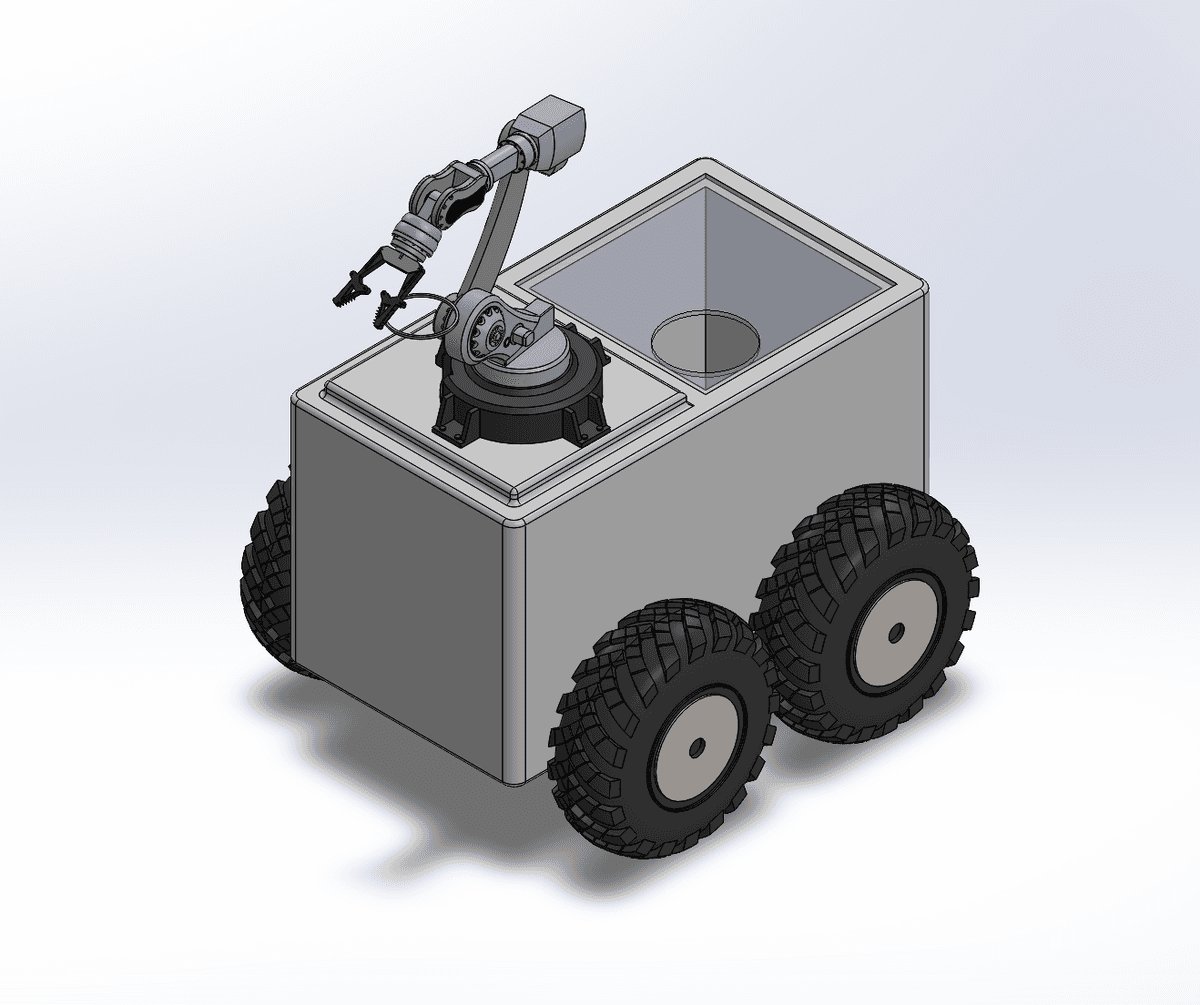
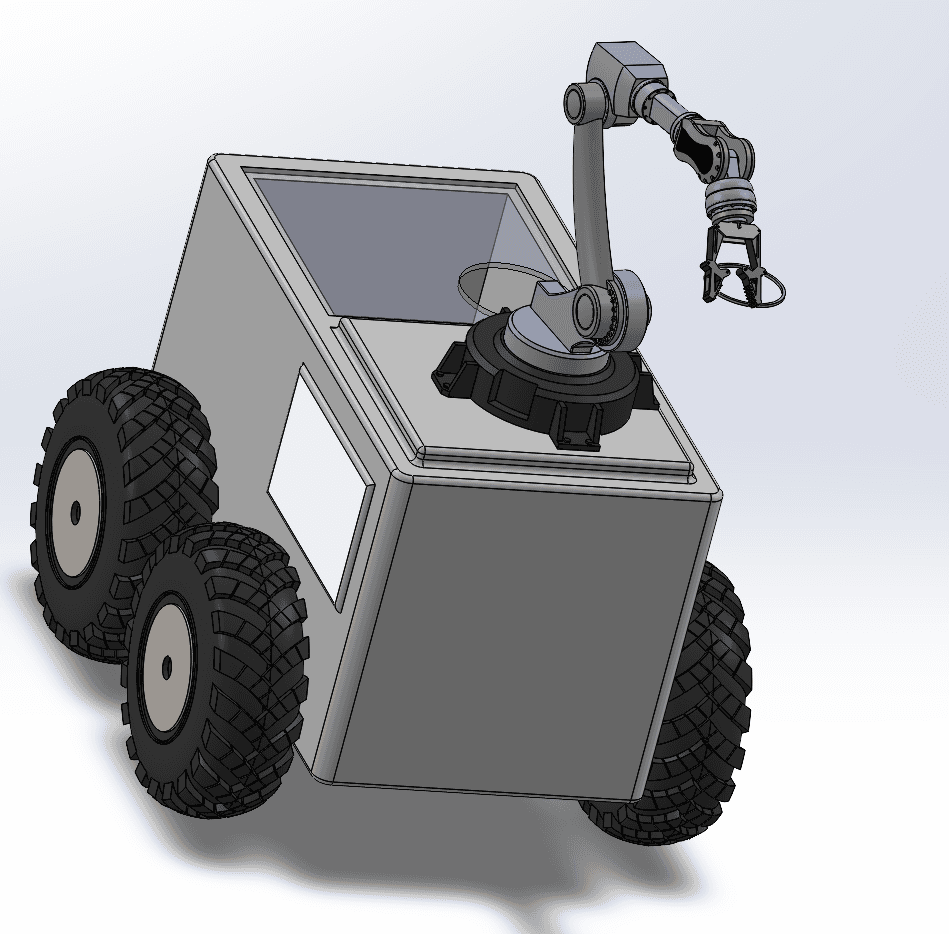
3D CAD Model
The 3D CAD model of the autonomous harvester was created using SolidWorks, incorporating components like robotic arms, grippers for precise apple handling, and a mobile base for maneuverability. The model was developed with a focus on accuracy and functionality, ensuring that it could handle real-world harvesting tasks. FEM analysis was applied to the model to verify structural integrity and refine the design by identifying stress points and optimizing component arrangements. This model formed the basis for further simulations and analyses, offering a foundation for advancing autonomous harvesting technology.
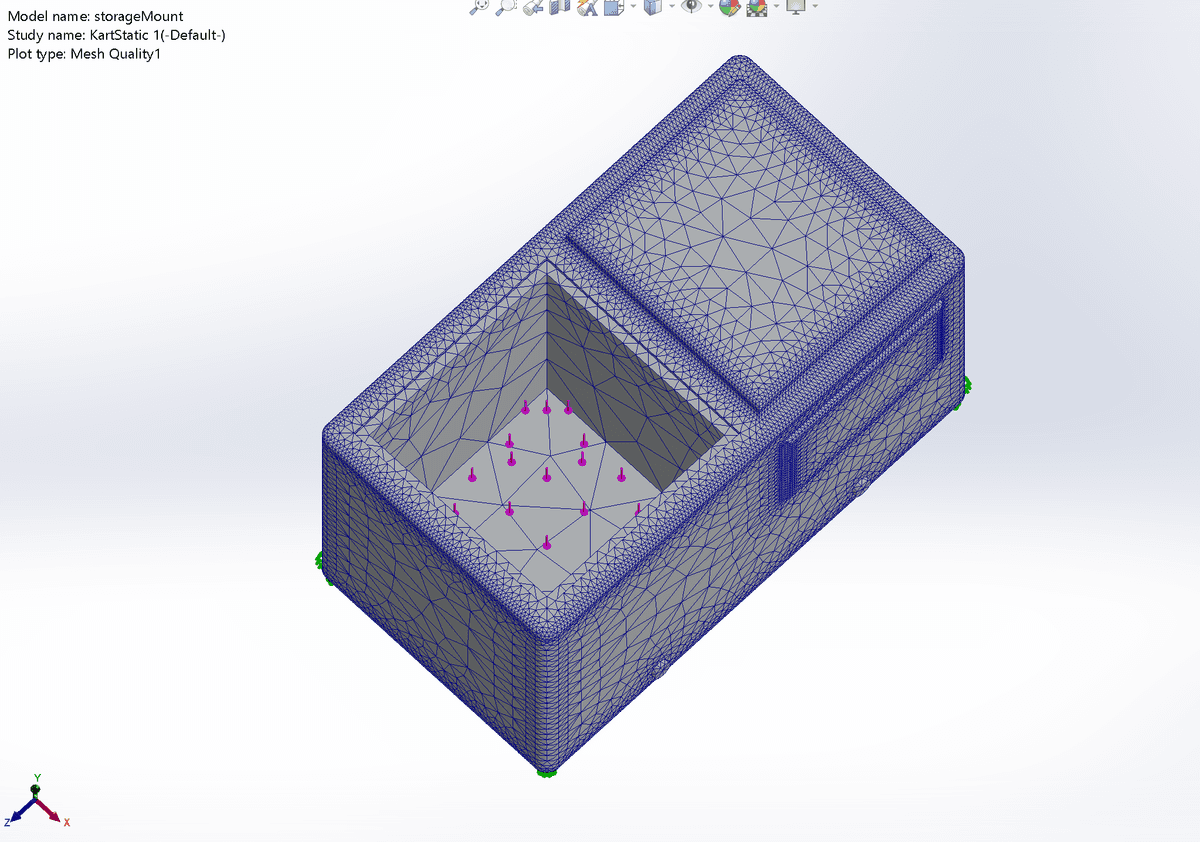
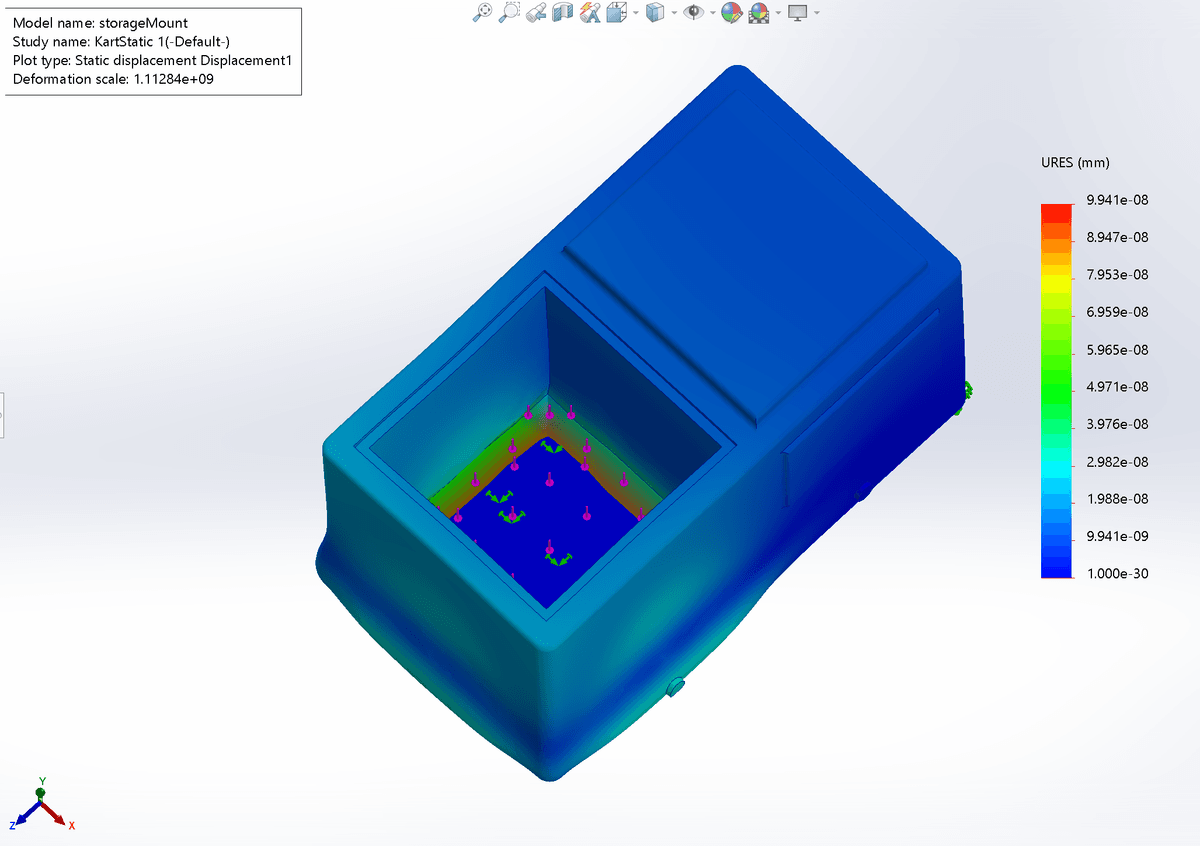
Report
The report compiled for this project included several detailed sections. It began with a literature review to analyze existing technologies and methods for automated harvesting, identifying gaps and challenges specific to apple orchards. A feasibility study was conducted to assess the practicality of implementing an autonomous harvester, considering economic, technical, and operational constraints. The assembly analysis detailed the structural composition of the harvester, outlining the role and integration of each component. FEM analysis was performed to evaluate the mechanical strength and stability of the design under simulated operational conditions. The report concluded with observations, a discussion on limitations, and recommendations for future work, emphasizing potential advancements like sensor integration and adaptive algorithms.
Future Work and Scope
- 📦Flexible Conduit System: Introducing a flexible pipe mechanism to safely direct harvested apples into storage, reducing handling damage and improving overall efficiency.
- 🔧Material Optimization: Exploring advanced materials that are lightweight yet durable to withstand operational stresses, while ensuring cost-effectiveness for mass production.
- ⚙️Cost Reduction: Refining the design and manufacturing processes to make the system more economical, increasing accessibility for farmers and agricultural enterprises.
- 🧠Smart Automation: Integrating AI and machine learning for adaptive harvesting strategies, improving precision in identifying and picking ripe apples.
- 🔋Energy Efficiency: Enhancing power systems to optimize energy usage, reducing the environmental footprint and operational costs of the harvester.
- 📊Data Analytics: Adding features to track operational performance and yield, providing valuable insights for improving farming practices and efficiency.